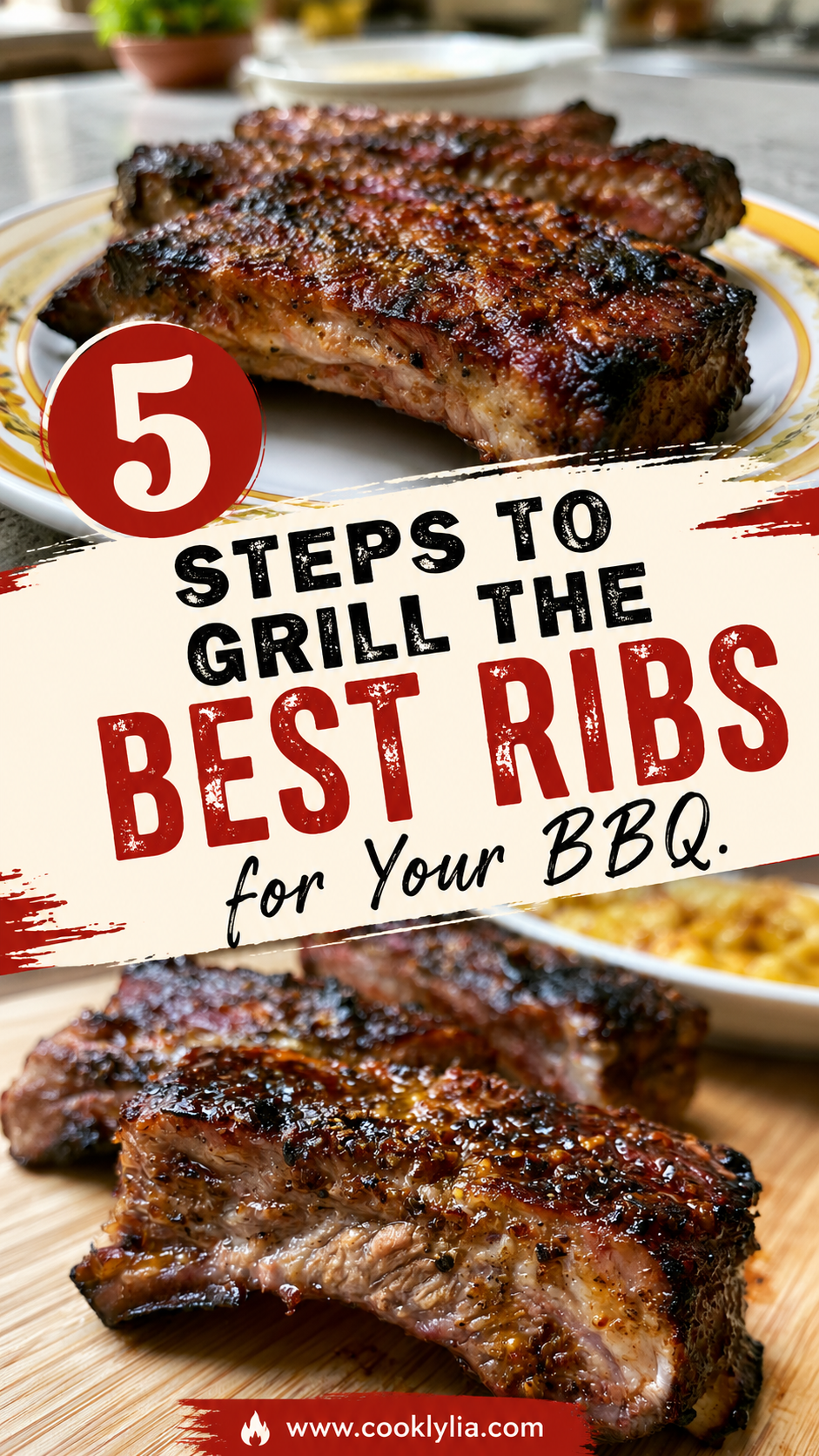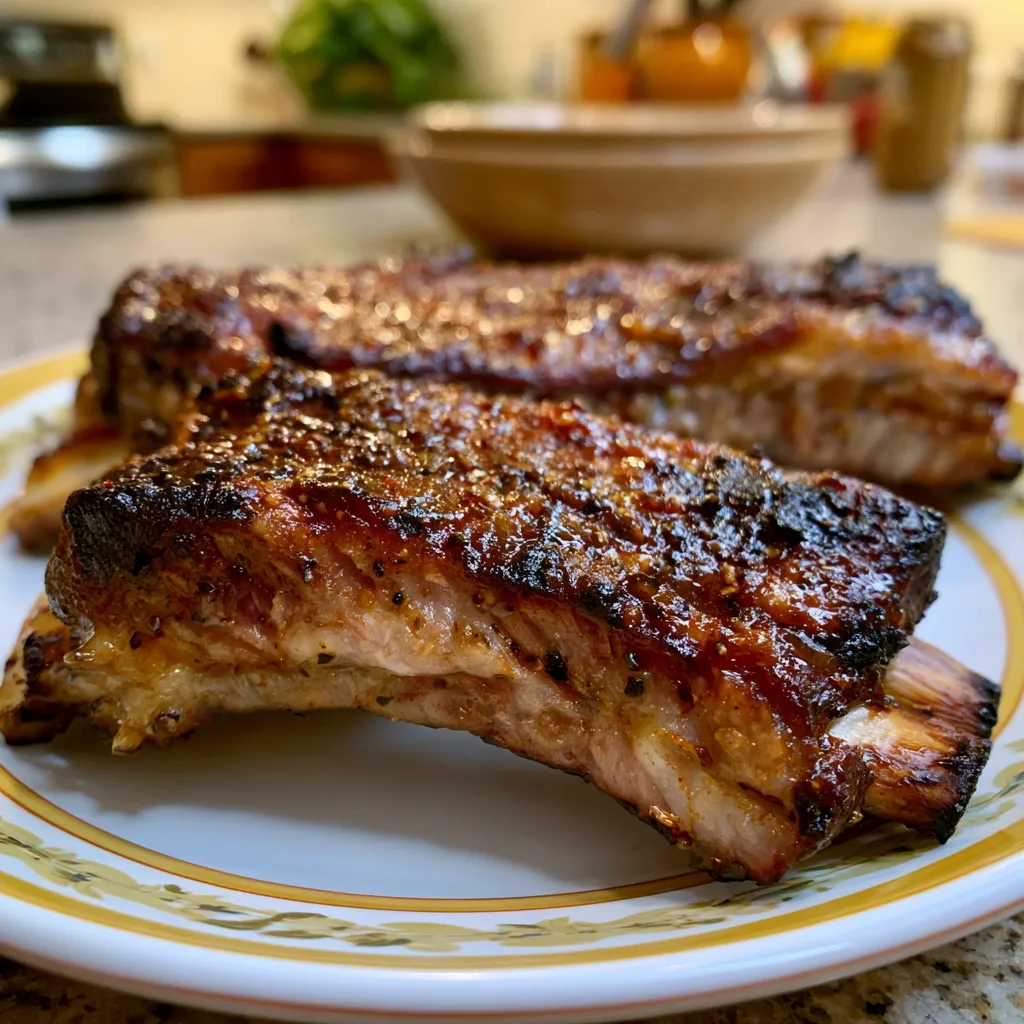
Best Grilled Ribs are the star of any summer cookout, delivering melt-in-your-mouth tenderness and a smoky, caramelized crust that keeps guests coming back for more. In this guide I will walk you through every step from selecting the right beef ribs, creating a balanced grape juice‑based marinade, applying a fragrant dry rub, to mastering low‑and‑slow grilling techniques that lock in flavor. You will learn how to adjust the heat, baste with optional barbecue sauce, and let the meat rest for ultimate juiciness. Follow these tips and you will serve ribs that taste restaurant‑quality without the price.
Table of Contents
Why You’ll Love This Best Grilled Ribs
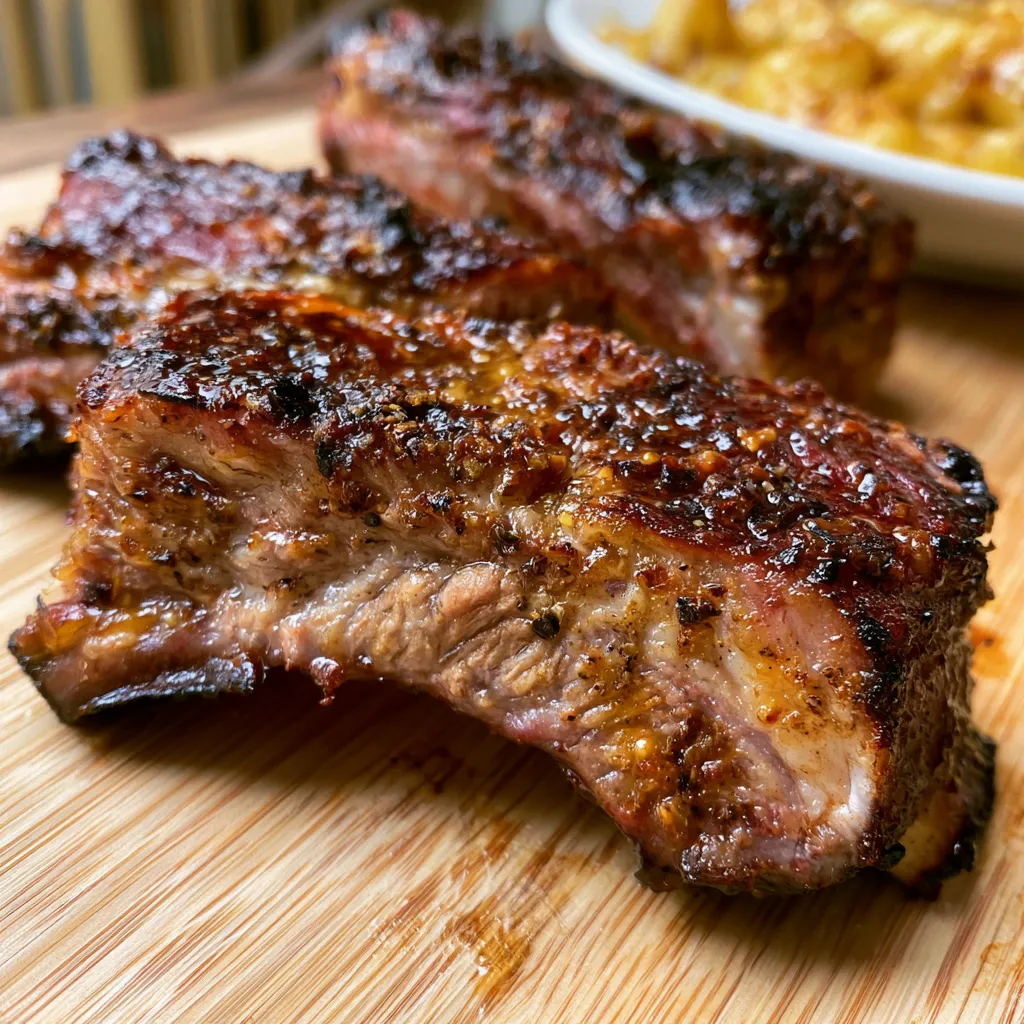
There’s something almost magical about the aroma of ribs slowly turning a deep amber on the grill. The combination of a sweet grape juice glaze and a smoky dry rub creates layers of flavor that keep the meat moist while developing a caramelized bark. This recipe is forgiving; whether you’re a seasoned pitmaster or a weekend grill enthusiast, the steps are clear and the results are consistently impressive. The ribs stay juicy because the low, steady heat allows collagen to break down without drying out the meat.
Beyond flavor, the recipe is budget‑friendly. Beef ribs are often less expensive than premium steaks, and the pantry staples required for the rub are items most home cooks already have. The optional barbecue sauce adds a final glossy finish without the need for expensive specialty sauces. Because the active preparation time is short and the cooking is mostly hands‑off, you can spend more time with friends and family while the grill does the work.
Equipment You’ll Need
Having the right tools makes the grilling process smoother and helps you achieve consistent results. Below is a quick checklist of essential equipment.
- Charcoal grill or gas grill with a lid (a lid is essential for low‑and‑slow cooking).
- Meat thermometer to monitor internal temperature.
- Large disposable tray or shallow dish for marinating the ribs.
- Basting brush for applying barbecue sauce.
- Aluminum foil to wrap ribs if you prefer the “Texas‑style” method.
- Sharp kitchen shears or a rib cutter for easy serving.
Investing in a good grill thermometer can also help you maintain a steady medium heat, which is critical for the three‑hour cooking window. If you’re using a gas grill, set one burner to low and keep the other off, creating an indirect heat zone where the ribs can cook evenly without direct flame.
Ingredients for Best Grilled Ribs
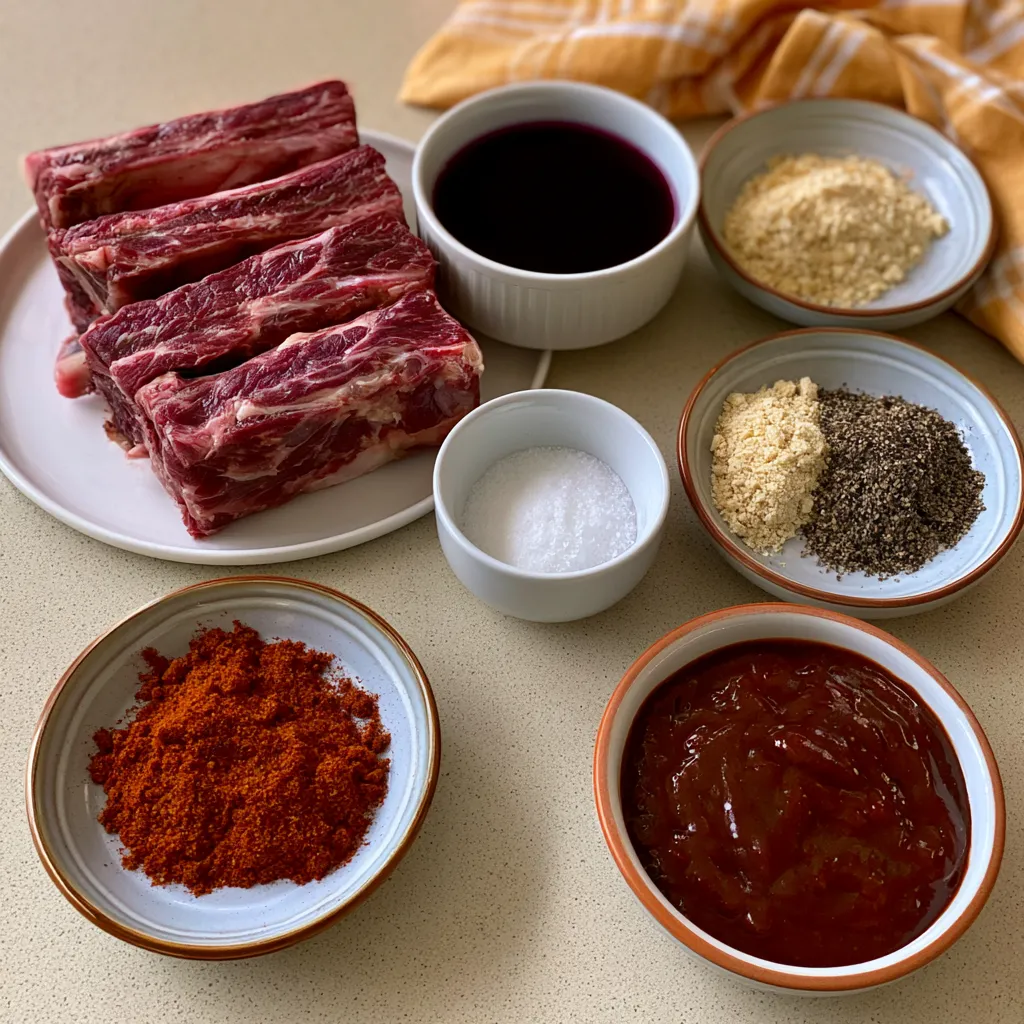
The ingredient list is straightforward, focusing on flavor‑building components that complement beef ribs. All quantities are listed for six generous servings.
- 2 racks of beef ribs
- 1 cup grape juice
- 1 tablespoon garlic powder
- 1 tablespoon onion powder
- 2 teaspoons smoked paprika
- 1 teaspoon salt
- 1 teaspoon black pepper
- 1 teaspoon cayenne pepper
- 1 cup barbecue sauce (optional)
Ingredient Substitutions
If you prefer a milder heat, you can reduce the cayenne pepper or replace it with a pinch of smoked paprika. For a sweeter glaze, increase the grape juice by a quarter cup. The optional barbecue sauce can be swapped for a homemade blend of ketchup, brown sugar, and a splash of grape juice for extra depth.
How to Make Best Grilled Ribs (Step‑by‑Step)
Step 1: Prepare the Marinade
In a medium bowl combine the grape juice, garlic powder, onion powder, smoked paprika, salt, black pepper, and cayenne pepper. Whisk until the mixture is smooth and the spices are fully dissolved.
Step 2: Marinate the Beef Ribs
Place the beef ribs in a shallow dish or large zip‑top bag. Pour the prepared marinade over the ribs, ensuring every surface is coated. Cover the dish with plastic wrap and refrigerate for at least two hours, preferably overnight, to allow the flavors to penetrate the meat.
Step 3: Preheat the Grill
When you’re ready to cook, preheat your grill to a steady medium temperature, roughly 300°F (150°C). If you’re using charcoal, arrange the coals on one side of the grill to create an indirect heat zone.
Step 4: Bring Ribs to Room Temperature
Take the ribs out of the refrigerator and let them sit at room temperature for about 20 minutes. This step helps the ribs cook more evenly and prevents a temperature shock when they hit the grill.
Step 5: Start the Low‑and‑Slow Cook
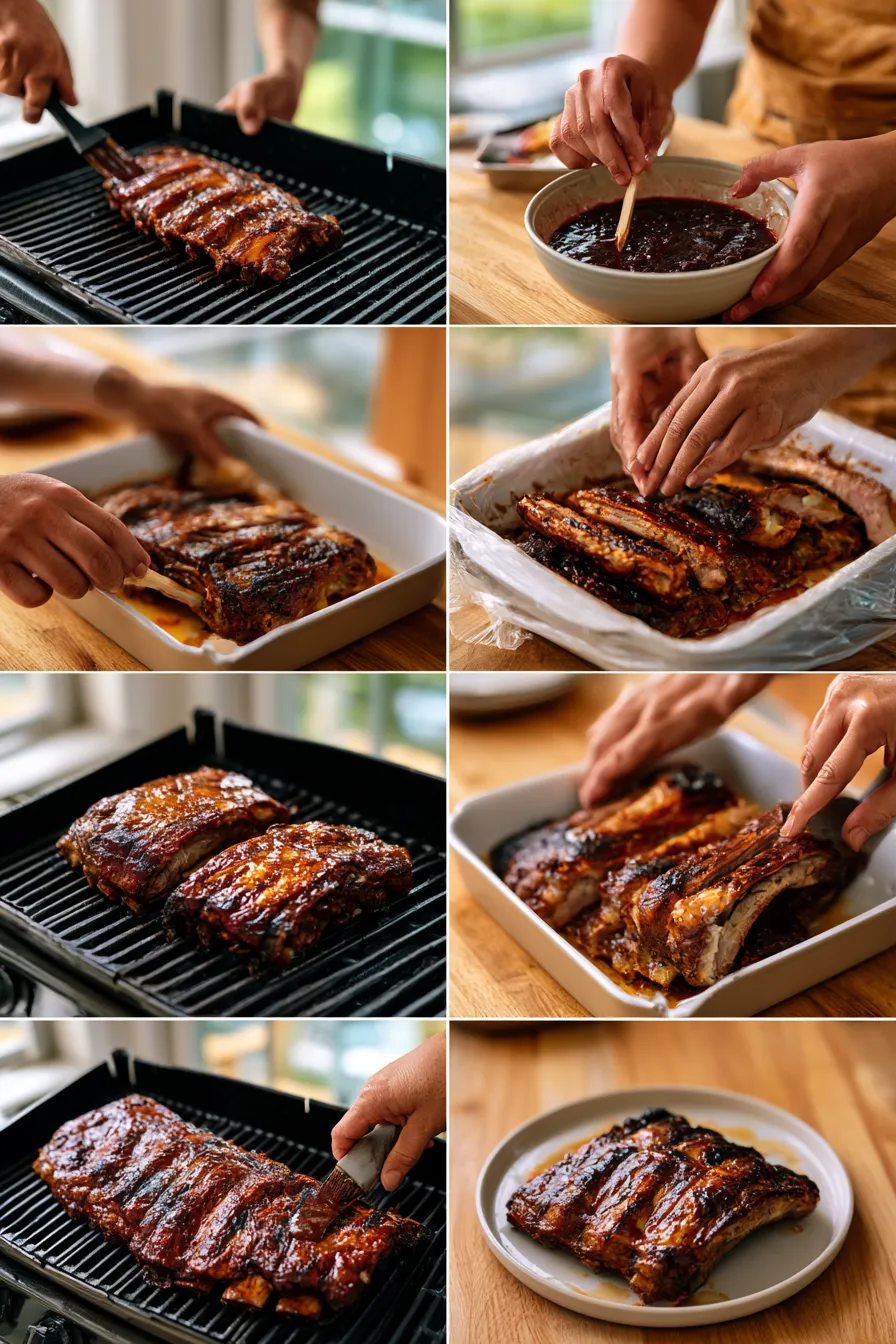
Place the ribs bone‑side down on the indirect heat side of the grill. Close the lid and let them cook for approximately 2‑3 hours. Maintain the grill temperature by adjusting vents or burner settings as needed.
Step 6: Optional Texas‑Crutch (Wrap)
After about 1.5 hours you may choose to wrap the ribs in a double layer of aluminum foil with a splash of grape juice. This traps steam, speeds up cooking, and keeps the meat extra moist.
Step 7: Baste (Optional)
If you enjoy a sticky finish, brush the ribs with barbecue sauce during the last 30 minutes of cooking. Apply the sauce, close the lid, and repeat once or twice for a layered glaze.
Step 8: Check for Doneness
Insert a meat thermometer into the thickest part of the meat, avoiding the bone. The internal temperature should reach about 190°F (88°C) for tender, pull‑apart ribs. If you prefer a firmer texture, you can stop at 180°F.
Step 9: Rest and Slice
Remove the ribs from the grill and let them rest for 10 minutes. Resting allows the juices to redistribute, resulting in juicier bites. After resting, slice between the bones and serve.
Timing Overview
The active preparation—mixing the marinade, coating the ribs, and setting up the grill—takes roughly 15 minutes. The low‑and‑slow cooking phase is about 3 hours, and a 10‑minute resting period brings the total time to approximately 3 hours and 25 minutes. Planning ahead for the minimum two‑hour marination will add extra time, but the hands‑on effort remains minimal.
Understanding Rib Cuts
Beef ribs come in two main varieties: short ribs and back ribs. This recipe uses short ribs because they have more meat and connective tissue, which benefits from the long, slow cook. The connective tissue breaks down into gelatin, giving the ribs their characteristic melt‑in‑your‑mouth texture. If you happen to have back ribs, the cooking time may be slightly shorter, but the same technique applies.
Variations and Twists
While the classic version is already a crowd‑pleaser, you can experiment with several variations to match different taste preferences.
- Spicy Kick: Add an extra teaspoon of cayenne pepper or incorporate a teaspoon of beef chorizo into the dry rub.
- Smoky Depth: Use smoked beef strips in the rub for an extra layer of smokiness.
- Asian‑Inspired: Replace half of the grape juice with a splash of soy sauce and add a teaspoon of ginger powder to the rub.
- Sweet & Tangy: Mix a tablespoon of honey into the optional barbecue sauce before basting.
Each variation keeps the core technique unchanged while offering a new flavor profile that can be tailored to regional preferences or seasonal ingredients.
What to Serve With Best Grilled Ribs
Pairing the ribs with complementary sides enhances the overall meal experience. Classic barbecue accompaniments work beautifully, but you can also choose lighter options for balance.
- Coleslaw made with a light vinaigrette for crunch and acidity.
- Grilled corn on the cob brushed with butter and a sprinkle of smoked paprika.
- Baked beans simmered with a touch of grape juice for subtle sweetness.
- Fresh garden salad with citrus dressing to cut through the richness.
- Cold craft beers or a sparkling grape juice spritzer for a refreshing beverage.
Pro Tips for Perfect Results
- Dry the Ribs First: Pat the ribs dry with paper towels before applying the rub. This helps the spices adhere and creates a better bark.
- Use a Water Pan: Placing a shallow pan of water on the grill adds moisture, preventing the ribs from drying out during the long cook.
- Wrap Mid‑Cook (Optional): After 1.5 hours, wrap the ribs in aluminum foil with a splash of grape juice. This technique, known as the “Texas‑crutch,” speeds up cooking and retains juiciness.
- Watch the Smoke: If you’re using charcoal, add a handful of wood chips (hickory or apple) for an authentic smoky aroma.
- Rest is Crucial: Never skip the resting period; it makes the difference between dry and succulent ribs.
Common Mistakes to Avoid
- Cooking Over Direct Heat: Direct flame can burn the exterior while leaving the interior undercooked.
- Skipping the Marinade: The grape juice marinade not only adds flavor but also helps break down muscle fibers for tenderness.
- Opening the Lid Too Often: Each opening drops grill temperature, extending cooking time and risking uneven doneness.
- Neglecting the Rest Period: Cutting into the ribs immediately releases precious juices, resulting in a dry bite.
- Using Too Much Sauce Early: Applying barbecue sauce too early can cause it to burn. Save it for the final half hour.
Storage, Reheating & Make‑Ahead Tips
Ribs are excellent for meal prep. After cooling, slice the ribs and store them in airtight containers. In the refrigerator, they keep for up to four days; for longer storage, freeze portions for up to three months.
To reheat, place the ribs on a preheated oven at 300°F (150°C) for 15‑20 minutes, covered with foil to retain moisture. For a quick microwave option, add a splash of grape juice and heat on medium power, checking every minute to avoid overcooking.
If you plan to serve the ribs the next day, marinate them the night before and keep them refrigerated. This advance preparation actually deepens the flavor, making next‑day meals taste even better.
Frequently Asked Questions
Can I use a gas grill instead of charcoal? Yes, a gas grill works fine. Set it up for indirect heat and maintain a steady temperature around 300°F.
Do I need to trim the membrane on the back of the ribs? Removing the silver skin is recommended; it allows the rub to penetrate and improves tenderness.
What if I don’t have barbecue sauce? You can skip it entirely or make a quick sauce with ketchup, brown sugar, and a dash of grape juice.
How do I know when the ribs are done? An internal temperature of 190°F indicates tender, pull‑apart ribs. You can also check by feeling; the meat should be soft when you press it.
Can I add wood chips for extra smoke? Absolutely. Soak a handful of hickory or apple wood chips and add them to the charcoal or place them in a smoker box for a gas grill.
Why is the marination step important? The acidic sugars in grape juice help break down tough muscle fibers, while the spices infuse the meat with flavor before cooking.
Is it necessary to wrap the ribs in foil? Wrapping is optional. It speeds up cooking and keeps the ribs moist, but leaving them unwrapped yields a drier bark with more smoky flavor.
Conclusion
With the right preparation, equipment, and a little patience, Best Grilled Ribs become a centerpiece that impresses every guest. Follow the steps, experiment with the suggested variations, and enjoy the satisfaction of serving ribs that taste like they came from a top‑rated barbecue joint—all from your own backyard.
Print
Best Grilled Ribs: Easy, Juicy Beef Ribs Recipe for Summer BBQs
- Total Time: 195 minutes
- Yield: 6 servings 1x
- Diet: Non‑vegetarian
Description
Discover the ultimate Best Grilled Ribs recipe that delivers juicy, tender beef ribs with a sweet grape juice glaze and smoky dry rub. This easy step‑by‑step guide shows how to marinate, grill low and slow, and finish with a caramelized bark. Perfect for backyard barbecues, the recipe serves six, takes 15 minutes prep and three hours cook, and pairs beautifully with classic sides.
Ingredients
- 2 racks of beef ribs
- 1 cup grape juice
- 1 tablespoon garlic powder
- 1 tablespoon onion powder
- 2 teaspoons smoked paprika
- 1 teaspoon salt
- 1 teaspoon black pepper
- 1 teaspoon cayenne pepper
- 1 cup barbecue sauce (optional)
Instructions
- In a medium bowl whisk together grape juice, garlic powder, onion powder, smoked paprika, salt, black pepper, and cayenne pepper to form a smooth marinade.
- Place the beef ribs in a shallow dish or large zip‑top bag, pour the marinade over them, ensure full coverage, cover, and refrigerate for at least 2 hours (overnight preferred).
- Remove ribs from the refrigerator and let them sit at room temperature for about 20 minutes.
- Preheat a charcoal or gas grill to a steady 300°F (150°C) and set up an indirect‑heat zone.
- Place ribs bone‑side down on the indirect side and cook for 2‑3 hours, maintaining temperature.
- (Optional) After 1.5 hours, wrap the ribs in double‑layer foil with a splash of grape juice and continue cooking.
- During the final 30 minutes, brush ribs with barbecue sauce if desired, repeating once for a layered glaze.
- Check internal temperature with a meat thermometer; aim for 190°F (88°C) for pull‑apart tenderness.
- Remove ribs, let rest uncovered for 10 minutes, then slice between the bones and serve.
Notes
- For extra tenderness
- use the optional foil‑wrap (Texas‑crutch) after 1.5 hours. Resting is essential for juicy ribs. Nutrition values are approximate and not calculated precisely.
- Prep Time: 15 minutes
- Cook Time: 180 minutes
- Category: Main Course
- Method: Grilling
- Cuisine: American
Nutrition
- Serving Size: 6 servings
Keywords: Best Grilled Ribs, easy grilled ribs recipe, how to grill beef ribs, barbecue ribs marinades, summer BBQ ribs, low and slow ribs, best rib rub, backyard grilling tips, ribs cooking time