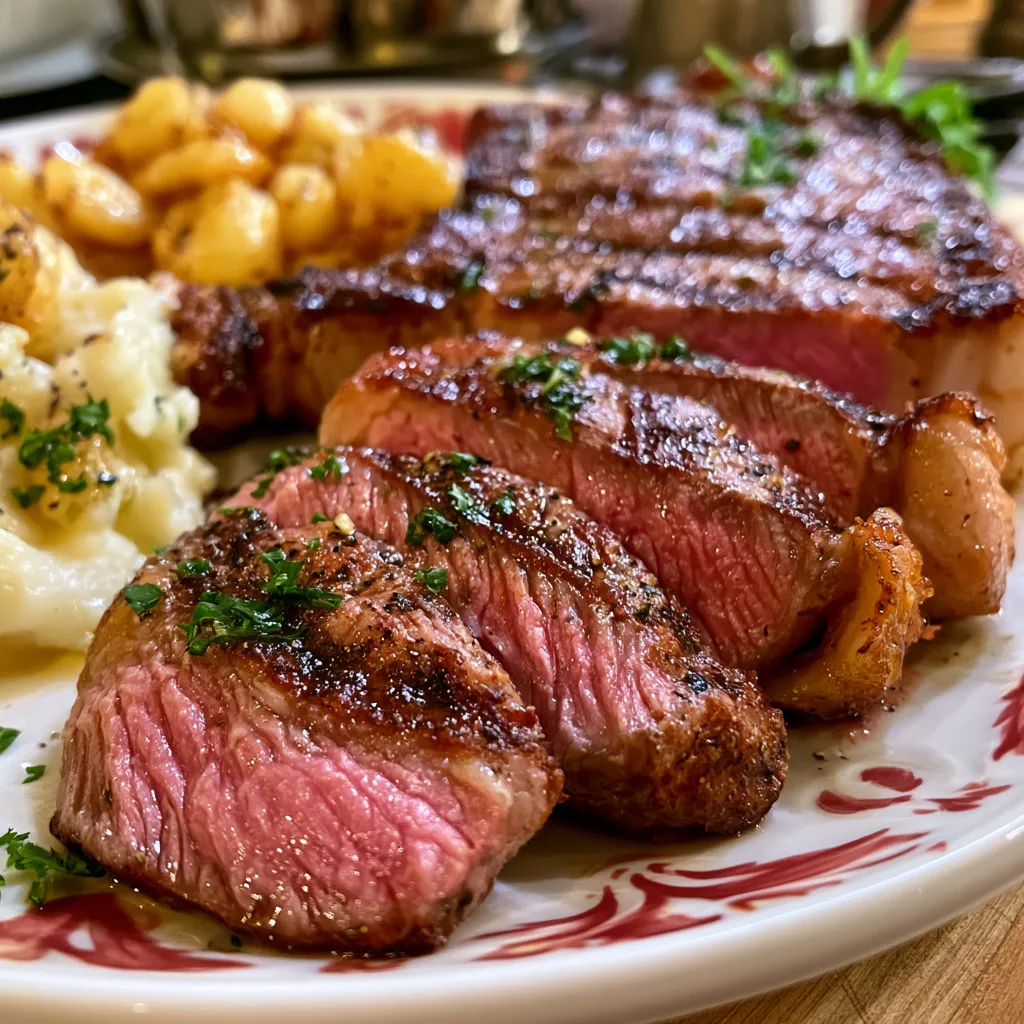
stop guessing how to bring restaurant‑level flavor to your kitchen with a simple ribeye steak that sears beautifully, stays juicy, and impresses every guest. In this guide I walk you through every detail—from selecting the perfect cut and seasoning it with olive oil, sea salt, black pepper, and garlic powder, to mastering grill heat and resting techniques. You’ll learn the science behind a perfect crust, the art of herb finishing, and pro tips that turn a weekday dinner into a memorable steakhouse experience. Let the steak sit at room temperature ten minutes before cooking for even heat. today!!
Table of Contents
Why You’ll Love This stop guessing
There is something inherently satisfying about cutting into a perfectly cooked ribeye that looks like it came straight from a high‑end steakhouse. The combination of a caramelized crust and a juicy, pink interior creates a texture contrast that is both tender and indulgent. By following this method you avoid the guesswork that often leads to overcooked or underseasoned meat, resulting in a consistently delicious outcome that impresses family and friends alike. The simplicity of the ingredient list also means you spend less time prepping and more time enjoying the meal.
Beyond flavor, the technique teaches you fundamental grilling principles that translate to other proteins and vegetables. Understanding heat zones, the importance of letting meat rest, and the role of fresh herbs empowers you to experiment with confidence. Whether you are a weekend warrior or a busy professional, this recipe fits into a tight schedule while delivering a restaurant‑quality experience.
Equipment You’ll Need
- Grill or cast‑iron skillet
- Long‑handled tongs
- Instant‑read meat thermometer
- Cutting board
- Sharp chef’s knife
- Small bowl for seasoning
Having the right tools simplifies each step. A grill provides that classic smoky char, while a cast‑iron skillet offers excellent heat retention for indoor cooking. Tongs prevent piercing the meat, which helps retain juices. A thermometer removes guesswork, ensuring you hit the ideal internal temperature for medium‑rare (about 130°F). A sharp knife makes slicing effortless, preserving the steak’s texture and presentation.
Ingredients for stop guessing
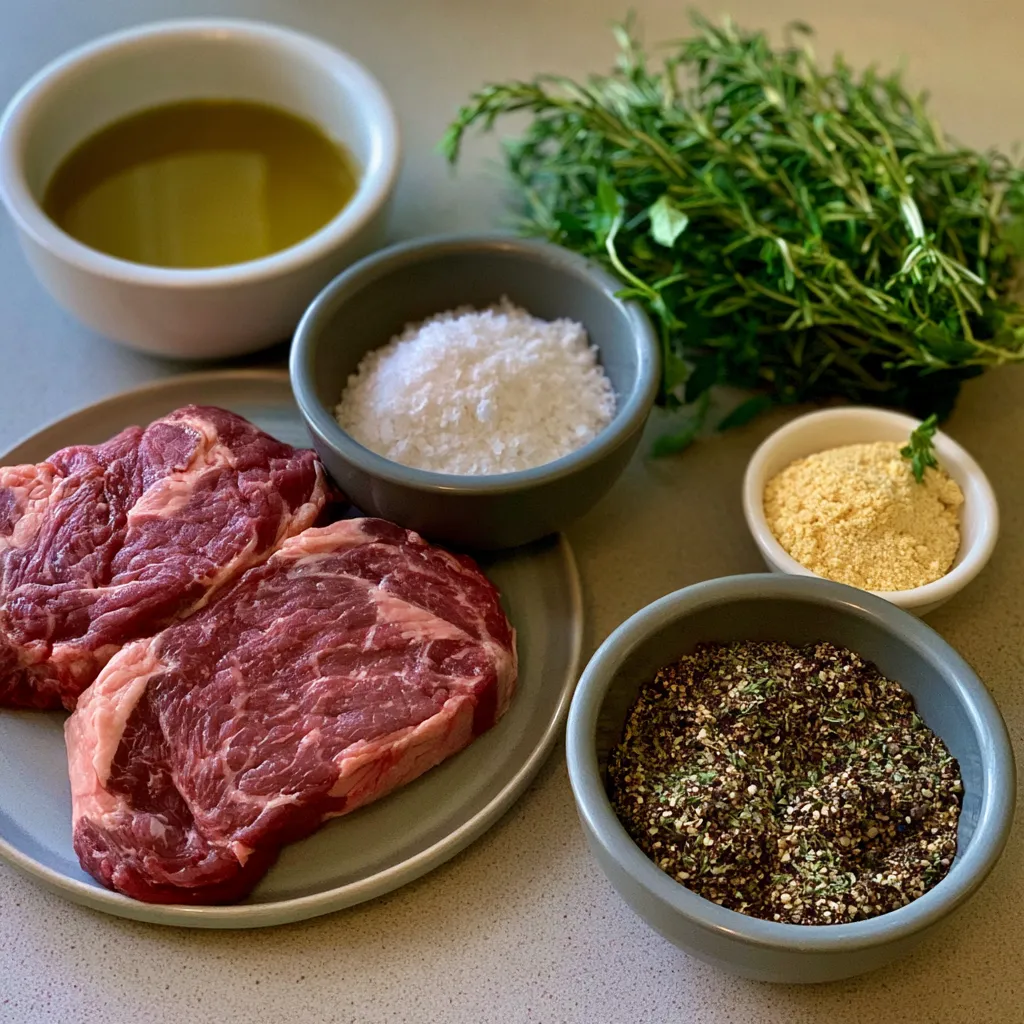
- Ribeye steak (1½‑inch thick, about 1¼ lb total)
- Olive oil
- Sea salt
- Black pepper
- Garlic powder
- Fresh herbs (rosemary or thyme, chopped)
Ingredient Substitutions
- Olive oil can be swapped for a high‑smoke‑point oil such as avocado oil.
- If you prefer a milder herb profile, use parsley or chives instead of rosemary or thyme.
How to Make stop guessing (Step‑By‑Step)
Step 1: Prepare the steak
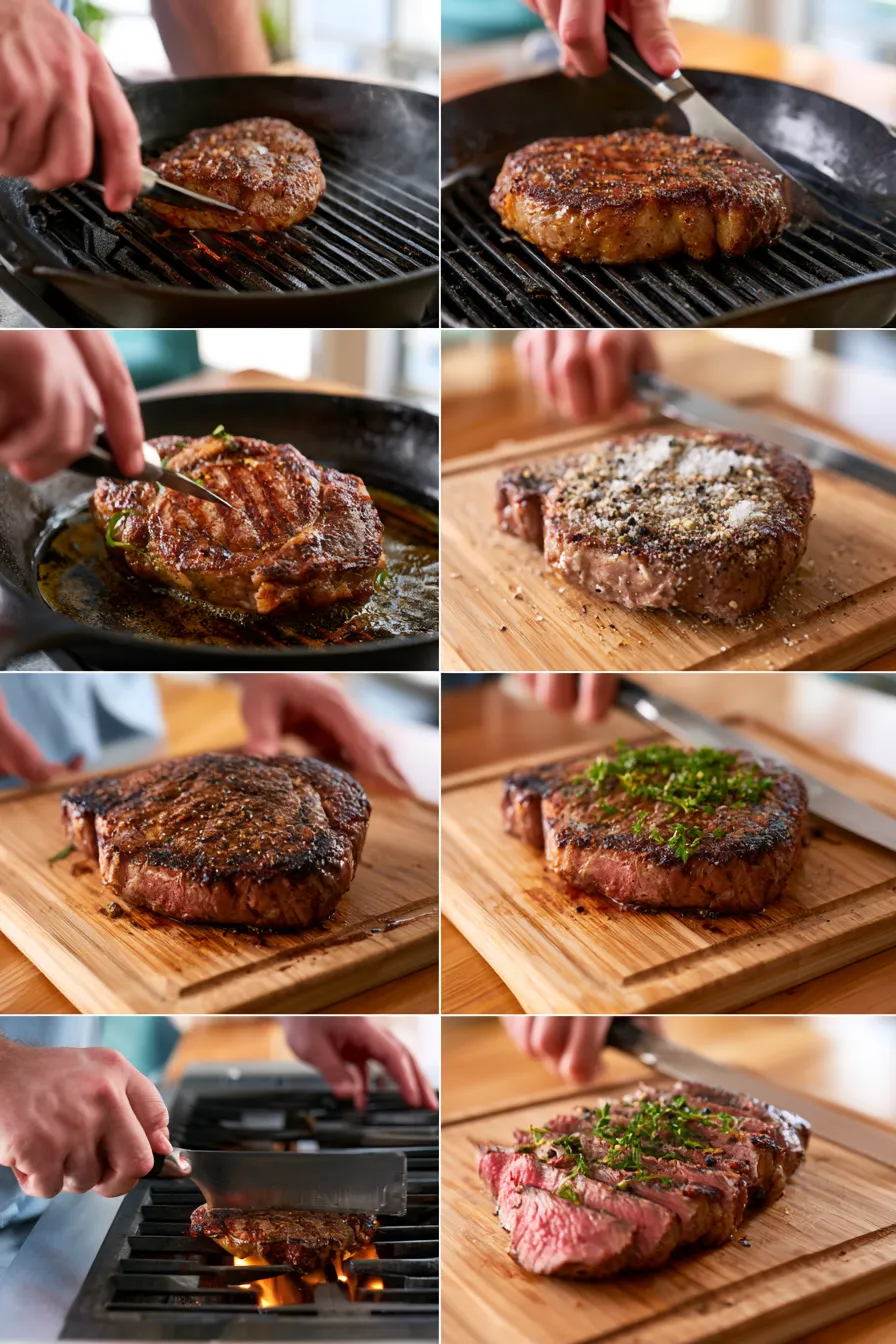
Remove the ribeye from the refrigerator and pat it dry with paper towels. Drying the surface helps achieve a better sear because excess moisture creates steam, which interferes with browning.
Step 2: Apply oil and season
Brush both sides lightly with olive oil, then sprinkle sea salt, black pepper, and garlic powder evenly. The oil acts as a carrier for the seasonings and promotes a uniform crust.
Step 3: Preheat your grill or skillet
Heat the grill to medium‑high (about 450‑500°F) or place the cast‑iron skillet over high heat until it begins to smoke slightly. Proper preheating ensures the steak begins to sear the moment it contacts the surface.
Step 4: Sear the steak
Lay the steak onto the hot surface and resist the urge to move it for the first 4‑5 minutes. This undisturbed contact creates the coveted Maillard reaction, producing a deep brown crust.
Step 5: Flip and finish
Using tongs, flip the steak and cook the opposite side for another 4‑5 minutes for medium‑rare. Insert an instant‑read thermometer into the thickest part; it should read around 130°F. Adjust time slightly if you prefer a different doneness.
Step 6: Rest the meat
Transfer the steak to a cutting board and let it rest for five minutes. Resting allows the juices to redistribute, preventing them from spilling out when you slice.
Step 7: Slice and serve
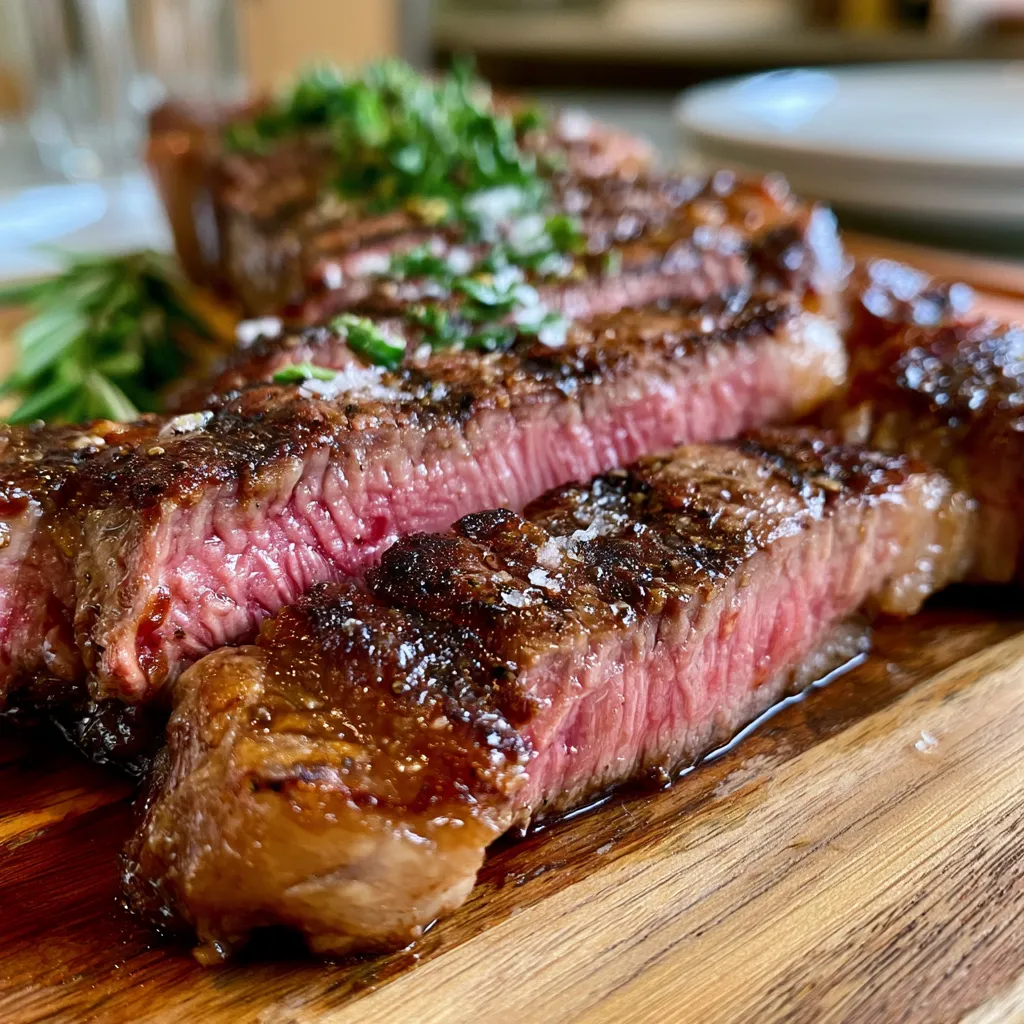
Slice the ribeye against the grain into ½‑inch thick strips. Sprinkle chopped fresh herbs over the top for an aromatic finish, then serve immediately.
Variations and Twists
If you enjoy a richer flavor, melt a tablespoon of butter in the skillet during the last minute of cooking and baste the steak with the infused butter. For a spicy kick, add a pinch of smoked paprika or a dash of beef beef beef chorizo crumbles to the seasoning mix. You can also experiment with herb blends—mix rosemary, thyme, and a hint of sage for an earthy profile. For a smoky indoor version, use a stovetop smoker box filled with wood chips beneath the skillet.
Another fun variation is the “coffee‑rubbed ribeye.” Combine finely ground coffee, brown sugar, and a touch of cayenne, then rub onto the steak before searing. The coffee adds a subtle bitterness that balances the meat’s richness, while the sugar caramelizes into a glossy crust. If you’re feeding a crowd, consider cutting the steak into large cubes, skewering them, and grilling as steak kebabs. Serve with a drizzle of chimichurri sauce for a South‑American twist.
What to Serve With stop guessing
Pair the ribeye with classic steakhouse sides such as roasted garlic potatoes, grilled asparagus, or a crisp Caesar salad. A glass of chilled grape juice mimics the acidity of grape juice without alcohol, balancing the richness of the meat. For a heartier plate, add a serving of buttery corn on the cob or a warm artisan roll brushed with olive oil.
For a lighter accompaniment, toss mixed greens with a vinaigrette of olive oil, lemon juice, and a pinch of sea salt. The bright acidity cuts through the fattiness of the ribeye, creating a harmonious bite. If you prefer a more indulgent side, whip up a quick garlic‑butter mushroom sauté—just sauté sliced mushrooms in butter, add minced garlic, and finish with a splash of broth.
Pro Tips for Perfect Results
- Use a meat thermometer; visual cues alone can be misleading.
- Let the steak reach room temperature before cooking to promote even doneness.
- Season generously; the salt draws out moisture that later caramelizes.
- Avoid piercing the meat with a fork; use tongs to turn it.
- Rest the steak; this step is essential for juicy results.
Additional Tips for Mastering the Sear
Achieving that coveted crust is both an art and a science. First, make sure the cooking surface is truly hot—if a drop of water sizzles and evaporates instantly, you’re ready. Second, avoid crowding the pan; giving each steak its own space prevents steam buildup, which can sabotage the sear. Third, consider a light dusting of flour or fine cornmeal on the steak just before it hits the heat; this creates a thin, crunchy layer that enhances texture without altering flavor. Finally, resist the temptation to flip repeatedly. One flip is enough; each side only needs a single, uninterrupted contact period to develop the Maillard reaction fully.
Common Mistakes to Avoid
- Cooking on low heat—this steams the steak instead of searing.
- Over‑seasoning with too much garlic powder, which can burn quickly.
- Skipping the resting period, leading to dry slices.
- Using a thin cut that cooks too fast, making it hard to achieve a crust.
- Moving the steak too often, which prevents a proper crust from forming.
Storage, Reheating & Make‑Ahead Tips
Store leftover steak in an airtight container in the refrigerator for up to three days. To reheat, gently warm slices in a skillet over low heat with a splash of olive oil, covering the pan briefly to retain moisture. For meal‑prep, slice the rested steak, portion it into containers with roasted vegetables, and refrigerate. The steak retains flavor when reheated within 24‑48 hours, making it an excellent option for quick lunches.
Frequently Asked Questions
Can I use a grill pan instead of an outdoor grill? Yes, a well‑heated grill pan mimics the high heat and grill marks of an outdoor grill, delivering similar results.
What internal temperature defines medium‑rare? Aim for 130°F (54°C) measured at the thickest point; the temperature will rise a few degrees while resting.
Is it okay to marinate the ribeye beforehand? A short, oil‑based marinade can add flavor, but the simple dry rub highlighted in this recipe already provides optimal taste without extra steps.
How long should I let the steak rest? Five minutes is ideal for a steak of this thickness; larger cuts may benefit from 10‑15 minutes.
Can I add a finishing sauce? Absolutely—compound butter, chimichurri, or a red‑grape juice reduction (replace grape juice with grape juice for a non‑alcoholic version) all complement the ribeye beautifully.
Conclusion
By following this step‑by‑step guide you can stop guessing and serve a steak that rivals any steakhouse. The combination of proper heat, precise seasoning, and mindful resting creates a reliable, mouth‑watering result every time. Enjoy the confidence that comes with mastering a classic ribeye, and feel free to experiment with the variations to make the dish truly your own.
Print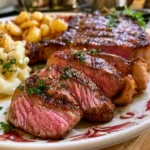
stop guessing the ultimate ribeye steak guide for 4 servings tonight
- Total Time: 20 minutes
- Yield: 4 servings
- Diet: Omnivore
Description
A mouth‑watering ribeye steak recipe that delivers restaurant‑quality flavor at home. Seasoned with olive oil, sea salt, black pepper, and garlic powder, then grilled to a perfect medium‑rare crust and finished with fresh rosemary or thyme, this steak is juicy, tender, and aromatic. Serve alongside roasted veggies or a simple green salad for a balanced, hearty dinner.!!!
Ingredients
- Ribeye steak
- Olive oil
- Sea salt
- Black pepper
- Garlic powder
- Fresh herbs (like rosemary or thyme)
Instructions
- Pat the ribeye dry and let it sit at room temperature for 10 minutes.
- Brush both sides with olive oil and season generously with sea salt, black pepper, and garlic powder.
- Preheat grill or skillet to medium‑high heat until it begins to smoke.
- Place steak on hot surface, sear 4‑5 minutes without moving.
- Flip steak, sear other side 4‑5 minutes for medium‑rare; use thermometer to check 130°F.
- Remove steak, let rest 5 minutes, then slice against the grain and garnish with fresh herbs.
Notes
- For extra flavor
- baste with butter and garlic during the last minute of cooking. Letting the steak rest is crucial for juicy results.
- Prep Time: 10 minutes
- Cook Time: 10 minutes
- Category: Main Course
- Method: Grilling
- Cuisine: American
Nutrition
- Serving Size: 4 servings
- Calories: 400
- Sugar: 0g
- Sodium: 800mg
- Fat: 22g
- Saturated Fat: 7g
- Unsaturated Fat: 15g
- Trans Fat: 0g
- Carbohydrates: 2g
- Fiber: 0g
- Protein: 35g
- Cholesterol: 110mg
Keywords: stop guessing, ribeye steak recipe, how to grill steak, easy steak dinner, steak seasoning tips, steakhouse steak at home, best steak seasoning, quick steak dinner, steak cooking guide